

Working with a local licensed Crimsafe installer matters because it’s the only way to know the security screens going onto your Redland Bay home are genuine, fitted correctly, and backed by a business that’s still around if something needs fixing. It’s a fair question to ask: how do you actually know an installer is licensed and not just claiming to be? Too many Redland Bay homeowners find out the hard way, after the job’s done, that the screen in front of them isn’t what they paid for. This article walks through why licensing isn’t a box-ticking exercise in Queensland, what a genuine Crimsafe warranty should look like, and the practical questions worth asking before anyone starts drilling into your frames.
Why Installer Licensing Is Not Just A Formality In Queensland
In Queensland, security screen and door work sits under the same regulatory net as other home improvement trades. A QBCC licence isn’t a nice-to-have; it’s the legal marker that separates a real business from someone working outside the rules. For homeowners, the licence is the difference between having recourse if something goes wrong and having none at all. Crimsafe backs this up with its own authorisation system: a Crimsafe Authorised Installer has been trained and approved by the manufacturer to fit the product to standard, which matters because the mesh, the frame, and the Screw-Clamp system only perform as tested when everything is installed correctly.
What A QBCC Licence And A Crimsafe Authorisation Actually Cover
These two credentials aren’t the same thing, and homeowners are right to ask about both. A QBCC licence covers the legal right to carry out building and trade work in Queensland, with accountability if a job is done poorly. Crimsafe authorisation is separate again; it’s the manufacturer confirming the installer has met their training and quality requirements for fitting genuine Crimsafe products. A business holding both, like a local Crimsafe Authorised Installer and QBCC licensed member, gives Redland Bay homeowners cover from two directions rather than one.
| Credential | What it actually covers | Who confirms it |
|---|---|---|
| QBCC licence | Legal right to carry out building and trade work in Queensland, with accountability if the job is done poorly | Queensland Building and Construction Commission (public register) |
| Crimsafe Authorised Installer | Manufacturer confirmation the installer has met training and quality requirements for fitting genuine Crimsafe products | Crimsafe’s own installer directory |
| Both held together | Cover from two directions: legal accountability plus manufacturer-approved fitting | Ask the business directly, then verify both |
The Legal Work Value Threshold That Makes Licensing Compulsory
Queensland sets a clear dollar threshold for when licensed trade work becomes a legal requirement rather than a grey area. Under Queensland Building and Construction Commission rules, any building work valued at more than $3,300, including both labour and materials, must be carried out by a licensed contractor, and this figure is one of the lower thresholds of any state in Australia. Security screens and doors, being custom-made and structurally fixed to a home, typically sit well within the range where licensing is compulsory. Work above the threshold that is carried out without a licence isn’t just risky; it falls outside the rules and can leave a homeowner without normal consumer protections, including access to the Queensland Home Warranty Scheme, if a dispute arises. The safest approach is simple: ask to see the licence before signing anything.
How Poor Installation Can Undo A Genuine Crimsafe Product’s Strength
Even genuine Crimsafe mesh and hardware can underperform if the installation is wrong. The product is engineered as a system, mesh, frame, and the Screw-Clamp fixing all working together, and if the frame isn’t properly fixed to the structure, or the tension in the mesh isn’t right, the whole point of the product is undermined. Independent testing at the University of Queensland found genuine Crimsafe mesh can absorb around 550 joules of impact energy, roughly 5.5 times the current Australian Standard for security screens, and that performance depends on the mesh being correctly clamped into a properly fixed frame. This is one of the most common ways homeowners end up disappointed. They’ve paid for the genuine range but had it fitted loosely, or into a frame that wasn’t properly anchored, and the security performance falls well short of what the product is capable of.
- Correct frame fixing: the frame must be properly anchored to the structure, not just sitting in the opening
- Correct mesh tension: the Screw-Clamp system needs the right tension to perform as tested
- Correct fixing method for the surface: masonry, timber, and aluminium frames each need a different approach
- Coastal-specific fixings: salt air and humidity mean Redland Bay homes need fixings rated for the conditions
The Difference Between In-House Installers And Subcontracted Fitters
There’s a real difference between a business that employs its own installers and one that hands the job to whoever’s available that week. In-house teams are trained specifically on the products they fit, they’re accountable to the same business that quoted the job, and there’s continuity if a warranty issue comes up later. Subcontracted arrangements can work fine, but they add a layer of separation: if a fitting issue shows up in a year, the original contractor may no longer be involved at all. A business using its own installers and manufacturers, not contractors, removes that gap entirely.
What Can Go Wrong When An Unlicensed Installer Fits Security Screens
The risks aren’t hypothetical. An unlicensed installer might use non-genuine mesh marketed as equivalent, skip the correct fixing method for a coastal frame, or simply disappear if a problem comes up after the invoice is paid. Homeowners left with an unlicensed installation often have no warranty to fall back on and no consumer protection pathway through QBCC. In a region like Redland Bay, where salt air and humidity put real pressure on frames and fixings over time, a poorly installed screen is likely to fail earlier, not later, right when it’s needed most.
| What you’re checking | Licensed, Crimsafe Authorised installer | Unlicensed or unauthorised operator |
|---|---|---|
| Genuine Crimsafe mesh and Screw-Clamp system | Confirmed | Cannot be verified, may be equivalent mesh |
| Legal accountability through QBCC | Yes, via public register | No recourse if work is defective |
| Access to Queensland Home Warranty Scheme | Available on qualifying work | Not available |
| Installer likely to still be operating in 5 to 10 years | In-house team, established local business | Uncertain |
| Fixing method suited to coastal frames | Assessed on-site by trained staff | Not guaranteed |
How To Check An Installer’s Crimsafe And QBCC Credentials Before You Book

A few simple checks go a long way. Ask for the QBCC licence number and confirm it on the QBCC public register. Ask whether they’re a Crimsafe Authorised Installer and confirm through Crimsafe’s own installer directory if you want extra certainty. It’s also worth asking directly whether the business uses its own installers or subcontractors, and how long they’ve operated in your area. None of this should feel awkward to ask; a properly licensed business will answer without hesitation.
Credential checklist
- QBCC licence number confirmed on the public register
- Listed in Crimsafe’s official installer directory
- In-house installers, not subcontracted fitters
- Years operating specifically in the Redland Bay area
- Written warranty terms, not just a verbal promise
Why Local Experience With Redland Bay’s Coastal Conditions Matters
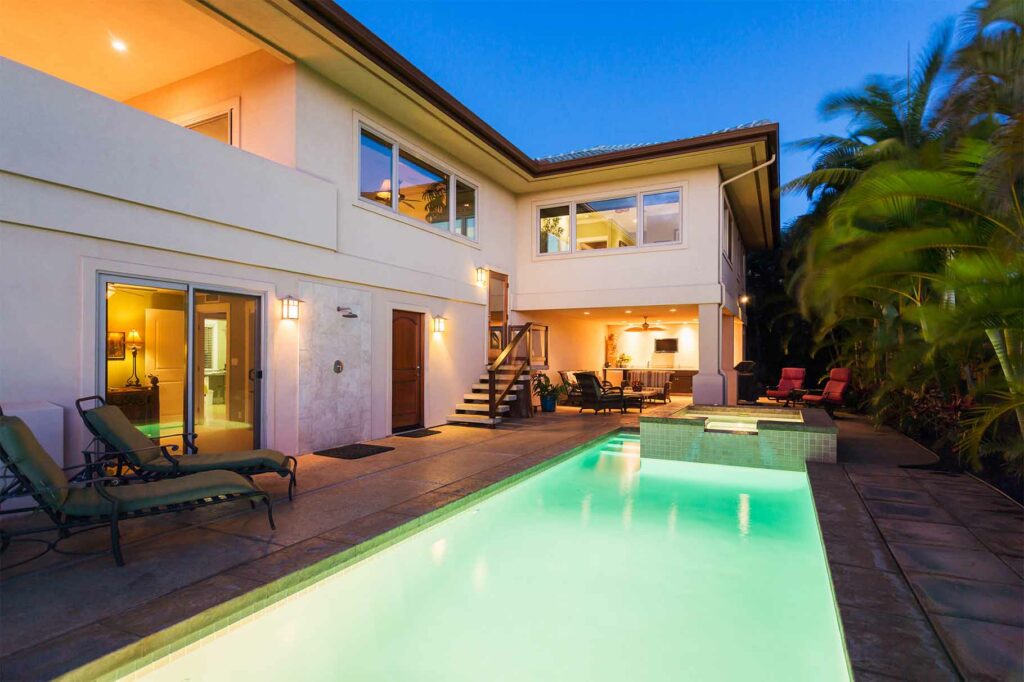
Redland Bay’s salt air, humidity, and sun exposure are genuinely tougher on security screens than an inland suburb sees. An installer who works across Redland Bay, Brisbane, and up to Caboolture day in and day out has seen how frames and fixings hold up in these exact conditions over years, not just on a spec sheet. That local experience shapes practical decisions, like which fixing method suits a particular frame or how a screen will perform on a home exposed to sea breeze. It’s a different kind of expertise for a business quoting from interstate or fitting mostly inland properties.
What A Genuine Warranty Looks Like Versus One That Will Not Hold Up
A genuine warranty on Crimsafe products should be clear about what it covers, for how long, and who honours it if a claim comes up. Genuine Crimsafe security screens, doors, and windows carry a standard 10-year manufacturer’s warranty covering manufacturing defects, with extended cover available when the product is properly registered. That manufacturer’s warranty is separate from the installer’s own labour warranty and after-care policy, which is the part that lives in the contract rather than on the website, so it pays to ask for it in writing. A warranty is only as strong as the business standing behind it. If an installer is unlicensed, unauthorised, or likely to have moved on in a few years, a paper warranty isn’t worth much in practice.
| Warranty type | Who provides it | What it typically covers |
|---|---|---|
| Manufacturer warranty | Crimsafe, standard 10 years | Manufacturing defects in genuine Crimsafe product, extendable when registered |
| Installer or labour warranty | The local business that fitted the product | Workmanship, fitting, and after-care, set out in the contract |
Homeowners are better placed asking pointed questions upfront:
- Is the warranty from Crimsafe as the manufacturer, the installer, or both
- What does it cover, and what’s excluded
- Who do you contact if an issue comes up in year three or four
- Is the installer likely to still be operating locally when that call needs to be made
How A Free In-Home Measure And Consultation Reduces The Risk Of Getting It Wrong
A proper in-home measure and consultation are where a lot of these risks get sorted out before any product is ordered. A trained consultant can check the frames, talk through which openings need attention, such as sliding doors, laundry windows, and patios, and flag anything that needs a different approach. This is also the point where a homeowner can ask every question above and see the answers in person rather than over the phone. A free home security check as part of that visit gives a clear picture of where the actual weak points are, rather than guessing.
Questions To Ask Before Letting Anyone Fit Security Screens In Your Home
Before booking any installer, a short list of direct questions helps separate a properly licensed local business from one that isn’t:
- Can you confirm your QBCC licence number
- Are you a Crimsafe Authorised Installer, and can I check that directly
- Do you use in-house installers or subcontractors
- What does your warranty cover and for how long
- How long have you operated in the Redland Bay area
What Redland Bay Homeowners Can Do Today To Avoid A Costly Mistake

Getting this right doesn’t need to be complicated. It comes down to three simple steps.
Check the credentials
Confirm the QBCC licence and Crimsafe authorisation before anything is signed.
Ask about the team
Find out whether the installers are in-house employees or subcontractors, and how long the business has worked locally.
Book a free measure and consultation
Get a licensed local team to assess the home in person, including the free home security check, before committing to a quote.
A genuine, correctly installed Crimsafe system should give a Redland Bay home real protection, without giving up the airflow, light, and views that make coastal living worthwhile. If you’re weighing up quotes at the moment, it’s worth putting these questions to every business on your list, not just the one that seems easiest. Redlands Security Screens is a Crimsafe Authorised Installer and QBCC licensed member, with an in-house team who’ve worked across Redland Bay, Brisbane, and up to Caboolture for over 40 years. If you’d like a straight answer on what your home actually needs, book a free in-home measure and consultation or call 07 3806 1522, and feel free to share this with a neighbour who’s weighing up the same decision.



Leave A Comment